


Children and Teenagers
Are you looking for Expert Help for Your Child or Teenager?
Does your child or teenager suffer from anxiety or depression?
Do they have behavioural problems and difficulties, do you find their behaviour challenging, or are they engaging in unhelpful habits and patterns of behaviour?
Is your child withdrawn or shy in social situations, or do they struggle to develop and maintain relationships with their peers?
Does your child frequently get sent home or excluded from school due to disruptive behaviour, do they purposefully miss lessons or do they get very panicky and anxious about exams?
Is your son or daughter suffering with low self-esteem and confidence, and nothing that is said or done seems to help them feel any better about themselves?
Is your child or teenager experiencing a fear or phobia, which is impacting their life, causing problems or preventing them from enjoying the things they want to do?
If you have answered yes to one or more of the above, then please know that both you and your child or teenager are not alone and we are here to help you.
We provide face to face and online sessions, working with clients both in the UK and internationally.
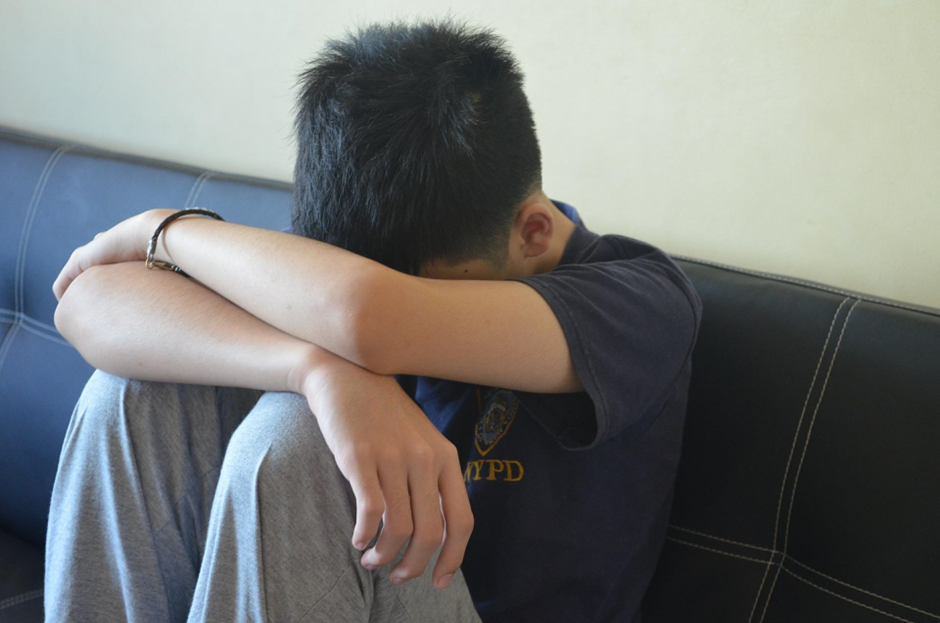
How Issues Form in Children & Teenagers:
Just like adults, children and teenagers deal with a lot of struggles; they have to deal with change, loss, bullying, violence, criticism, low self-esteem, and their own bodies as they move through rapid growth periods over short periods of time. There are many tasks they have to overcome like making new friends, handling bullies, challenging school work, partaking in sport, social media, and all this time trying to fit in and belong. Sometimes the comparison to others can cause feelings of inadequacy, low self-esteem or even depression to rise to the surface.
Children and teenagers, just like adults, show their reaction to stress, change, violence, low self-esteem, grief and loss in many different ways. Their marks in school may begin to drop or they may skip lessons. They may become forgetful, distracted, angry, irritable and even violent. They might become accident-prone or have headaches or an upset stomach. They might develop unwanted habits such as biting their nails, pulling their hair, stammering or wetting the bed.
They may begin to experience anxiety about going to school, perhaps having trouble with other pupils or teachers. They might become overly shy or worried about talking in front of the class, be unable to understand a subject, or other incidences that cause them to have difficulties with their education. Other fears that can present themselves are a fear of the dark, the fear of going to sleep, fear of animals or insects, fear of travelling, a phobia of needles, doctors or dentists, fear of people and so on. Parents, caregivers and other loved ones can offer support but often it doesn’t seem to change the situation in the long-term.
Symptoms of issues with children and teenagers
It’s also important to understand that children and teenagers are still developing their emotional intelligence and perception skills and so, therefore, see the world very differently from adults. For instance, when a relationship breaks down and one partner leaves the family home, it can be hard for a child to understand that just because their parents are no longer in love with each other, doesn’t mean that they don’t both still love the child. This could escalate further in them making assumptions that they did something wrong to cause that person to leave. While no two children will respond to a situation exactly the same, it does highlight how issues can start to form.
Furthermore, it can be very difficult to get a child or teenager to talk about what is going on in their life and how they are feeling about it. For some, it may be that they are yet to learn how to express their emotions. Others may fear the consequences of opening up, afraid of being told off, or hurting or upsetting someone they love, or even getting someone else into trouble. Whatever the reason, it can be very frustrating for the parents or caregivers, trying to support them through an issue when they are not necessarily aware of what is underlying it.
Therefore, due to all of the above, any difficulty or anxiety that children or teenagers are struggling with might go unnoticed until, not surprisingly, they develop one or several behaviours that is at odds with our idea of how things should be. This is when we tend to realise that there is a problem.
These behaviours can include the following:
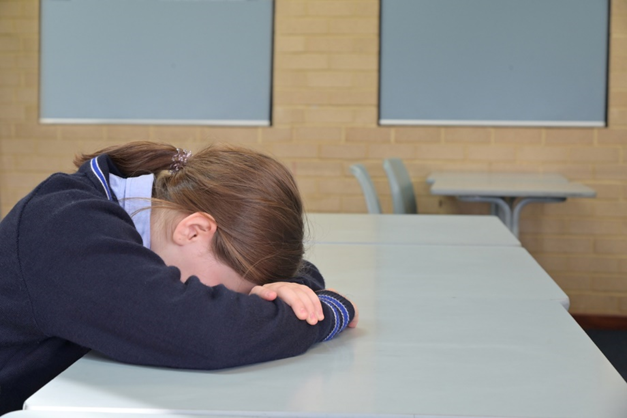
So how does the subconscious mind come into this?
Thoughts and behaviours are learned and stored in our subconscious minds. Unfortunately, we cannot filter out the ones that harm our well-being in the long-term. For example, if we got upset as a child and our parents gave us chocolate to cheer us up, our brain stores the information that eating brings us pleasure. And this is how we can turn to emotional eating for comfort. If you bring to mind some of the unhelpful habits, behaviours or fears and phobias that you currently have, or have held over your life, it is highly likely that some of these stemmed from your childhood.
Our brains aren’t trying to cause us harm, despite how it may seem. Instead, they use whatever evidence is available to them, to make logical conclusions and store this in subconscious part of our mind for our own protection or pleasure. The more evidence they can collect over time to support this perception, the stronger the pathway in our brain will form and the harder it becomes to change.
Children and teenagers suffering with tension and anxiety will in all probability hold beliefs at a subconscious level that could trigger various inappropriate habits and behaviours. Hypnotherapy and Neuro Linguistic Programming (NLP) strategies work to target these subconscious beliefs, helping children and teenagers come to terms with their feelings and behaviours, and changing the thoughts and beliefs underpinning them. This will enable them to be given alternative suggestions so that they form new conclusions and make positive changes to their feelings and behaviour.
Therefore, providing the right intervention at the right time can play such an important part in the development of children and teenagers to stop these problems being adopted as normal habits and therefore affecting them for their entire life.
Hypnotherapy & NLP for Children & Teenagers
Hypnosis and NLP both work amazingly well for children and teenagers because they tend to be more open to it than adults. Hypnotherapy and NLP work by engaging your senses through imagination. The older we get, the more we lose touch with these fantasy worlds that we used to visit all the time as kids. We are taught to apply logic to things, ask questions and look for evidence and in doing so we lose the magic of Santa Claus, fairies, and mystical creatures.
However, children and teenagers are more likely to enjoy daydreaming than adults and tend to have much more active imaginations. Given that the state of hypnosis is simply a daydreaming relaxed state during which we can be very focused, because children and teenagers are used to being in a similar state, they can normally enter the state of hypnosis very quickly, whereas it might take adults considerably longer.
Children also have a great thirst for knowledge, often driving their parents and caregivers round the twist with their curiosity and incessant questioning. At every opportunity, they hunger for new learning. They enjoy responding to new ideas that are presented to them in a way that they can understand. Their openness means that, in general, they are happy to take on ideas that will help them to deal with any problems they are facing, and thus they can make changes more easily.

How We Work with Children & Teenagers:
When using hypnosis and NLP for children and teenagers we often do not find it necessary to explain to them in detail about “hypnosis” and the “subconscious mind.” It may simply be explained that they will be having a really relaxed and quiet time in which they use their imaginations to resolve their problems. What is essential is that they want to take charge of their problem behaviour and make changes. If a young person is simply going along to sessions to keep their parent or caregiver happy, they’re unlikely to get the best outcome.
During the hypnotherapy and NLP sessions, children can employ the power of their imagination freely. They utilise the hypnotic state to visualise and create imagery of their difficulties. We use simple methods that might include things such as stories, visualisation, pretending, hero and media characters, and other imagination tools, often based on the child’s interests as revealed in the initial session. Even teenagers can often be open to using their imagination, but as they are already more sophisticated in their thinking, we format the content of their sessions accordingly.
Whilst helping children and teenagers to overcome a particular childhood problem, the therapist is often able to introduce other positive affirmations to the child. For example, being more relaxed, having more energy, feeling confident, feeling happy, liking themselves better, remembering more easily or reading faster. Children are very suggestible and respond well to these types of therapy.

Here at the Hampshire Hypnotherapy Clinic, we use hypnosis and NLP to help children and teenagers with a wide range of issues, from psychological thought patterns to physical behaviours. We offer a fast and effective treatment with virtually no waiting list and most problems are resolved in just a few sessions.
- behavioural habits, such as nail biting and hair pulling
- bedwetting
- family issues, including parental divorce and separation
- unhelpful eating habits
- disorders, such as obsessive-compulsive disorder (OCD)
- phobias
- stress
- anxiety
- grief and loss
- unhelpful behaviours such as overuse of their mobile phone or devices
- exam nerves
- confidence
- traumas
- low self-esteem
The role of parents and caregivers in the process:
When we are using hypnotherapy and NLP for kids, we often find that the participation of the parent or caregiver in this therapeutic process is really important. A parent or caregivers (understandable) apprehension about their child’s behaviour can often bring further anxiety to the situation and make change more difficult for their child or teenager.
We offer a complimentary, no obligation friendly and informal telephone consultation during which we will speak with you and your child or teenager about the process, how we can help and the options that are available to you. As a parent or caregiver, if you have any questions about the hypnotherapy process, your hypnotherapist will answer these during the consultation.
We invite parents and caregivers to sit in on sessions as per the wishes of both yourself and your child or teenager.
Speak to our Expert Team today to find out how we can help both you and your child
Client Testimonial
Our Awards
What The Judges Said
The Hampshire Hypnotherapy Clinic comprises a team of highly qualified specialists who have worked within the industry as master practitioners of Hypnotherapy, Neuro Linguistic Programming, and practitioners of Emotional Freedom Technique, Eye Movement Desensitisation and Reprocessing, and Life Coaching.
With more than 20 years’ experience, the clinic team help people worldwide, working face-to-face and online with clients both nationally and internationally. The judges were particularly impressed by the huge number of specialisms covered at the clinic, which are used to help people across a range of mental health issues. These include stress, anxiety and depression, trauma and abuse, anger management, eating disorders, relationship issues and grief and bereavement services.


Our previous clinic awards:
- Hypnotherapy Clinic of the Year 2022: South England Prestige Awards
- Hypnotherapy Practice of the Year in United Kingdom 2022: Innovation & Excellence Awards. Awarded by Corporate LiveWire
- Most Innovative Mental Health Service in England 2022: Mental Health Awards. Awarded by Global Health & Pharma
- Clinic of the Year 2018: Awarded for outstanding performance as a practitioner by the NLP Coaching Company